


Turnstile 101 : A unique look at the quiet gatekeepers of modern spaces

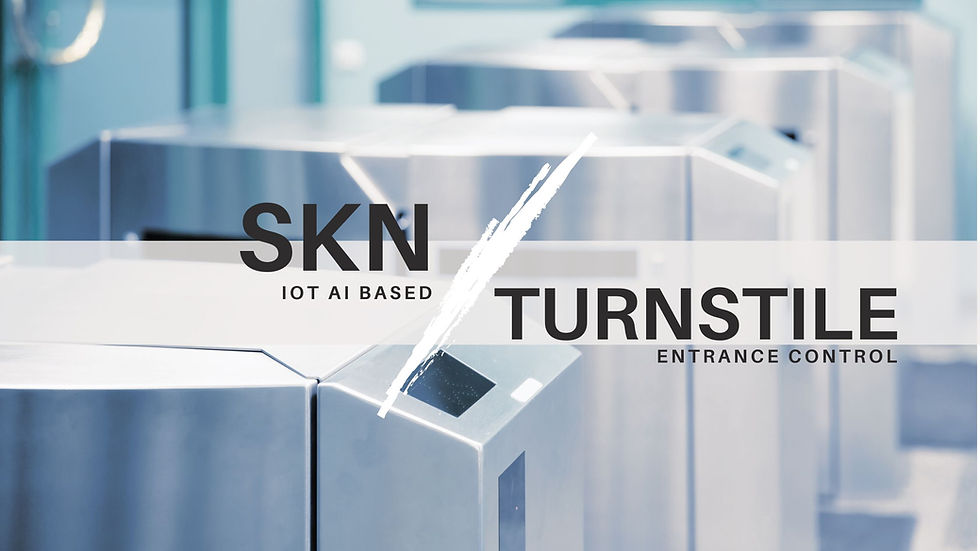
In a world where security, efficiency, and user experience must coexist, turnstiles play a surprisingly big role. They’re the often-unseen gatekeepers that help buildings manage crowds, track access, and keep people moving smoothly. Here’s a unique look at what turnstiles are, how they work, and how to choose the right one for your space.
What is a turnstile, anyway?
A turnstile is a control device that limits passage to one person at a time. Think of it as a revolving door with a built-in checkpoint. Over the years, turnstiles have evolved from simple mechanical arms to smart systems that combine physical barriers with digital authentication. They come in several forms, each with its own strengths and best-use scenarios.
Types of turnstiles and where they shine
- Full-height turnstiles: These look like compact, fortified gates and rotate a full 360 degrees. They provide strong physical security and are ideal for stadiums, transit hubs, and outdoor facilities where tamper resistance matters. They can handle high traffic but may require more space and ventilation.
- Waist-high / tripod barriers: These are the classic three-bar arms that pivot open for authorized users. They’re cost-effective, versatile, and suitable for office buildings, schools, and events with moderate to high throughput.
- Optical or motorized barrier gates (slim or waist-high): These use sensors, IR beams, or cameras to detect tailgating and manage flow without a heavy mechanical barrier. They’re popular in corporate lobbies and airports where aesthetics and speed matter.
- Swing or sliding gates: Often used in combination with access control systems, these provide smooth, low-friction passage and integrate well with ADA-compliant layouts.
- Smart/biometric integrated turnstiles: These combine the barrier with readers, cameras, and analytics. They are common in high-security environments, premium office spaces, and research facilities.
How turnstiles work (the basics)
- The barrier: A turnstile’s physical mechanism ensures only one person can pass at a time. In some models, the arm or gates lock until access is granted.
- Access control: A reader (card, mobile credential, QR code, or biometric) verifies a user’s authorization. If approved, the turnstile unlocks and allows passage.
- Sensing and safety: Modern units use sensors to detect tailgating, oversize objects, or emergency egress. They’re designed to stop or reverse if something wrong is detected.
- Integration: Turnstiles often connect to larger systems—visitor management, HR databases, building management, and security cameras—for auditing and analytics.
Why organizations invest in turnstiles
- Security and accountability: They prevent unauthorized entry and can provide a precise audit trail of who entered and when.
- Traffic flow and crowd management: Turnstiles help regulate throughput, reduce bottlenecks, and improve overall site efficiency.
- Data and insights: Integrated analytics reveal peak times, visitor patterns, and occupancy trends, informing staffing and space planning.
- Accessibility and safety: Modern turnstiles balance security with accessibility, ensuring emergency egress and ADA-compliant routes.
- Durability and resilience: In high-traffic environments, well-built turnstiles withstand wear and vandalism better than makeshift barriers.
Key considerations when choosing a turnstile
- Throughput needs: How many people per minute do you expect? Stadiums and transit hubs demand high throughput, while offices may require moderate levels.
- Space and layout: Full-height units require more space and headroom; waist-high or optical solutions can fit tighter corridors.
- Security level: Do you need strong physical barriers, or are you primarily looking to manage access with auditing and tailgating prevention?
- Accessibility: Ensure compliance with local accessibility codes and provide fallback egress routes in case of emergencies.
- Integration: Check compatibility with your existing access control system, visitor management, and security cameras.
- Maintenance and reliability: Consider uptime requirements, spare parts availability, and service support in your region.
- Aesthetics and branding: Especially in corporate settings, the look and feel of the turnstile should match the building’s design language.
- Budget: Total cost of ownership includes purchase price, installation, maintenance, and potential upgrades over time.
Common myths and realities
- Myth: Turnstiles are only for security-heavy environments. Reality: They’re adaptable for many settings, including offices, universities, venues, and healthcare, with varying levels of security and convenience.
- Myth: They slow everyone down. Reality: When properly sized and integrated with the right access methods, turnstiles can improve flow and reduce long lines.
- Myth: Biometric says goodbye to privacy concerns. Reality: Biometric and AI-based solutions raise privacy considerations; choose systems with robust data protection, clear retention policies, and opt-in controls.
Practical tips for deployment
- Start with a traffic audit: Measure peak times, entrance widths, and typical user behavior. This informs the type and number of turnstiles you need.
- Plan ADA-compliant paths: Maintain accessible routes around the turnstiles and clear wayfinding for all users.
- Align with emergency procedures: Ensure emergency egress isn’t hindered, and that immediate unlock or bypass options exist for safety.
- Test thoroughly: Simulate peak load, tailgating scenarios, and equipment failure to verify that systems respond as expected.
- Prioritize maintenance: Create a schedule for lubrication, sensor cleaning, software updates, and battery checks if applicable.
Future trends you might see
- Contactless and mobile-first credentials: NFC, Bluetooth, and QR-based access reduce physical touchpoints while preserving security.
- AI-powered tailgating detection: More sophisticated anomaly detection, pedestrian analytics, and adaptive access controls.
- Biometric-private-by-design options: Privacy-centric approaches with on-device processing and strict data minimization.
- Edge computing and IoT integration: Turnstiles become smart nodes in a broader security and facilities ecosystem, sharing data with cameras, alarms, and occupancy systems.
- Energy efficiency and sustainability: Low-power sensors, sleep modes, and regenerative technologies where feasible.
If you’re considering a turnstile project
- Define your primary goals: Is it reducing tailgating, auditing access, improving flow, or all of the above?
- Map your user journeys: Consider how different users (employees, visitors, contractors) will interact with the system.
- Request a layered solution: Often a combination of gates and optical barriers provides the best balance of security and usability.
- Engage expert partners: A reputable installer can help with site surveys, compliance checks, and long-term support.
Why SKN Turnstile is the Best Choice
SKN Turnstile stands out as a premier option for turnstile solutions due to several key factors:
High-Quality Manufacturing: SKN is recognized for its superior manufacturing processes, ensuring durability and reliability.
Advanced IoT Technology: The integration of IoT technology allows for enhanced monitoring and control of access points.
Customizable Solutions: SKN offers a range of customizable turnstile options to meet diverse client needs.
Enhanced Security Features: Their turnstiles are equipped with advanced security features to prevent unauthorized access.
Excellent Customer Support: SKN provides robust customer service and support, ensuring client satisfaction.
SKN IoT Technology: Leading the Market in India
As one of the best manufacturers in India, SKN IoT technology has several advantages:
Innovative Solutions: They focus on innovation, continuously updating their products to incorporate the latest technological advancements.
Scalability: Their IoT solutions are scalable, making them suitable for both small and large facilities.
Data Analytics: SKN's systems provide valuable data analytics, helping businesses make informed decisions regarding access control.
Integration Capabilities: Their turnstiles can easily integrate with existing security systems for a seamless experience.
Cost-Effective: SKN offers competitive pricing without compromising on quality, making it an economical choice for businesses.
SKN Turnstile, backed by its state-of-the-art IoT technology, is an excellent choice for businesses looking for reliable and innovative access control solutions in India.
Frequently Asked Questions (FAQ) about Turnstiles
What are the main advantages of using turnstiles?
Turnstiles offer several advantages, including:
Enhanced security by controlling access points.
Improved flow of foot traffic in busy areas.
Reduction in fare evasion in public transport systems.
Ability to integrate with various access control systems.
Are turnstiles suitable for all types of facilities?
While turnstiles are versatile, their suitability depends on the specific needs of the facility. They are ideal for:
High-security environments.
Locations with high foot traffic.
Facilities requiring data collection and monitoring.
How do optical turnstiles differ from traditional turnstiles?
Optical turnstiles use advanced sensor technology to detect individuals without the need for physical barriers, providing a more seamless entry experience compared to traditional mechanical turnstiles.
What maintenance do turnstiles require?
Regular maintenance for turnstiles includes:
Routine inspections to ensure proper functioning.
Cleaning of mechanical parts and sensors.
Software updates for electronic turnstiles.
Can turnstiles be integrated with other security systems?
Yes, turnstiles can be integrated with various security systems such as:
Access control systems (keycards, biometrics).
Surveillance cameras for monitoring.
Alarm systems to alert unauthorized access attempts.
What materials are commonly used to manufacture turnstiles?
Turnstiles are typically made from durable materials such as:
Stainless steel for strength and corrosion resistance.
Aluminum for lightweight and portability.
Plastic or composite materials for lower-cost options.
How do turnstiles improve crowd management?
Turnstiles help improve crowd management by:
Organizing entry and exit points to prevent bottlenecks.
Providing clear guidance on where to queue.
Facilitating faster access, which reduces wait times.
What are the common challenges associated with turnstiles?
Some challenges include:
Potential for malfunction, which may disrupt access.
Resistance from users who find them cumbersome.
Initial installation costs and ongoing maintenance expenses.
Are there any safety concerns with turnstiles?
Yes, safety concerns may arise, such as:
Risk of injury if users do not enter properly.
Potential for entrapment in malfunctioning units.
Accessibility issues for individuals with disabilities.
What is the lifespan of a typical turnstile?
The lifespan of a turnstile can vary based on usage and maintenance but generally ranges from 5 to 15 years with proper care.
Conclusion
Turnstiles are more than metal and motors; they’re a critical component of modern security architecture and space management. When chosen and implemented thoughtfully, they protect people, improve efficiency, and provide valuable insights that inform how a building is used.
If you’d like a tailored blog or a deeper dive into a specific type of turnstile (for example, a stadium-focused solution or an office lobby makeover), tell me your audience, space constraints, and security goals. I can craft a more targeted piece or provide a comparison guide to help you pick the right system for your needs. And if you meant the band Turnstile, I can pivot to a unique piece celebrating their music, history, and influence—just say the word.


Comments