


AI Powered Security Smart Solar CCTV Cameras for Robust Industrial Monitoring

Security remains a top priority for industries worldwide. Traditional surveillance systems often face challenges such as power outages, high installation costs, and limited flexibility. Smart solar CCTV cameras offer a practical solution by combining solar energy with advanced monitoring technology. These systems provide continuous, reliable security without relying on the power grid, making them ideal for industrial environments where safety and uptime are critical.

How Solar CCTV Cameras Work Without Power Grid Dependence
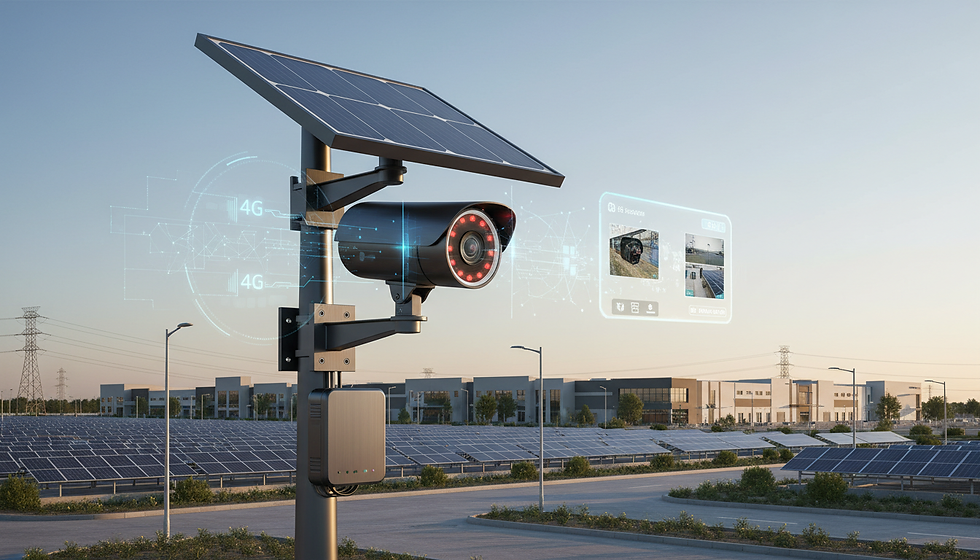
Solar CCTV cameras use photovoltaic panels to convert sunlight into electricity. This energy powers the camera and its components, including sensors, recording devices, and wireless transmitters. The system stores excess energy in batteries, ensuring continuous operation during nighttime or cloudy conditions.
Key features include:
High-efficiency solar panels that maximize energy capture even in low-light conditions.
Energy storage batteries that provide backup power for uninterrupted surveillance.
Wireless connectivity to transmit video feeds remotely without complex wiring.
Smart sensors that activate recording only when motion is detected, conserving power.
This setup eliminates the need for external power sources, reducing installation costs and increasing flexibility in camera placement.
Advantages of Smart Solar CCTV Cameras in Industrial Settings
Industries face unique challenges in securing large, often remote areas. Smart solar CCTV cameras address these challenges with several benefits:
Uninterrupted monitoring even during power failures or grid outages.
Easy installation without trenching or running electrical cables.
Cost savings on electricity bills and infrastructure.
Scalability to add cameras as needed without worrying about power supply.
Environmental friendliness by using renewable energy sources.
For example, a mining operation in a remote location installed solar CCTV cameras to monitor equipment and personnel. The system operated continuously for months without maintenance, reducing theft and improving safety compliance.
Features of SKN Solar Cameras for Industrial Use
SKN solar cameras are designed specifically for demanding industrial environments. Their features include:
Durable construction with weatherproof and dust-resistant casings.
High-resolution imaging for clear identification of objects and individuals.
Advanced AI capabilities such as facial recognition and anomaly detection.
Long-lasting solar panels with high energy conversion rates.
Integrated battery management to optimize charging and discharging cycles.
These features ensure reliable performance in harsh conditions such as extreme temperatures, heavy rain, or dusty environments common in industries like manufacturing, logistics, and construction.
High-Top Solar Panels for Maximum Efficiency
The efficiency of solar CCTV cameras depends heavily on the quality of their solar panels. High-top solar panels used in these systems offer:
Greater surface area to capture more sunlight.
Improved durability with reinforced glass and frames.
Better energy conversion using advanced photovoltaic materials.
Resistance to shading effects through panel design and placement.
By using high-top solar panels, industrial facilities can ensure their surveillance cameras remain powered throughout the day, even in less sunny climates.

Practical Applications and Case Studies
Several industries have successfully integrated smart solar CCTV cameras into their security systems:
Warehousing and logistics: Solar cameras monitor loading docks and storage yards, preventing theft and unauthorized access.
Agriculture: Farms use solar CCTV to oversee large fields and equipment, reducing vandalism and crop damage.
Construction sites: Temporary solar-powered cameras track materials and machinery, improving site safety and reducing losses.
Energy facilities: Solar CCTV systems secure remote power plants and substations where grid power is unreliable.
A logistics company reported a 30% reduction in theft incidents after installing solar CCTV cameras around their distribution center. The wireless setup allowed quick repositioning of cameras as needed, adapting to changing security risks.
Installation Tips for Industrial Solar CCTV Systems
To maximize the benefits of solar CCTV cameras, consider these installation tips:
Choose locations with maximum sunlight exposure to ensure panels receive direct sunlight most of the day.
Avoid shading from trees, buildings, or equipment that can reduce solar panel efficiency.
Use mounting poles or rooftops that provide stable support and optimal camera angles.
Regularly clean solar panels to remove dust and debris that block sunlight.
Integrate with existing security systems for centralized monitoring and alerts.
Proper installation and maintenance extend the lifespan of solar CCTV cameras and improve their reliability.

Future Trends in Solar-Powered Surveillance
The future of industrial security will likely see more integration of solar CCTV cameras with emerging technologies:
AI-powered analytics for real-time threat detection and automated alerts.
IoT connectivity enabling cameras to communicate with other smart devices.
Improved battery technology for longer backup power and faster charging.
Modular designs allowing easy upgrades and customization.
Hybrid power systems combining solar with wind or other renewable sources for even greater reliability.
These advancements will make solar CCTV cameras more effective and accessible for industries of all sizes.


Comments