


Comprehensive Guide to Rooftop Solar CCTV Cameras with Pan-Tilt and High-End Solar Panels FAQ

Rooftop security is a growing concern for homeowners and businesses alike. Installing a CCTV camera powered by solar energy offers a smart solution that combines surveillance with sustainability. This guide explores rooftop solar CCTV cameras equipped with pan-tilt functionality and high-end solar panels, answering common questions to help you make an informed choice.

What Is a Rooftop Solar CCTV Camera with Pan-Tilt?
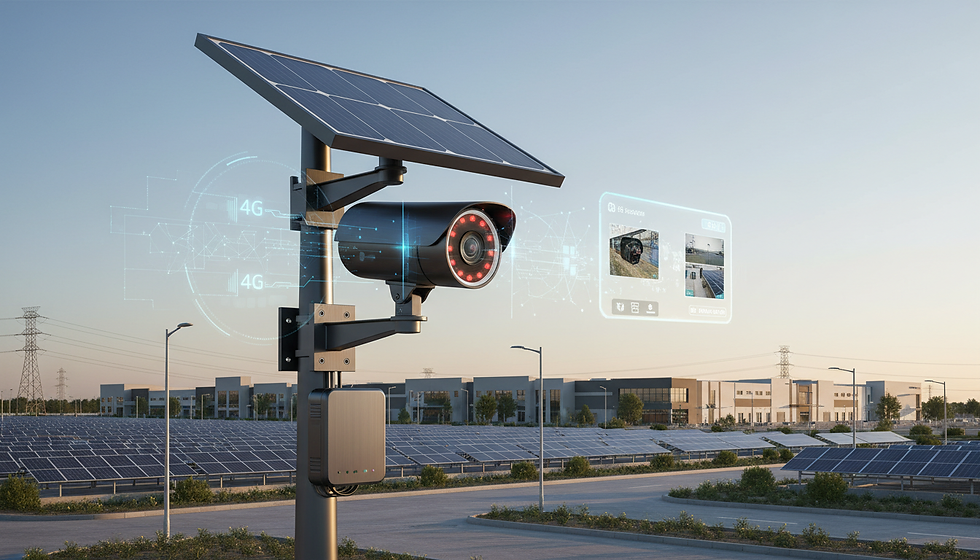
A rooftop solar CCTV camera is a surveillance device installed on a building’s roof that uses solar panels to power itself. The pan-tilt feature allows the camera to rotate horizontally (pan) and vertically (tilt), providing a wider field of view than fixed cameras. This flexibility improves monitoring coverage without needing multiple cameras.
High-end solar panels integrated with these cameras ensure reliable energy supply, even in less sunny conditions, making the system efficient and eco-friendly.
Benefits of Using Solar-Powered CCTV Cameras on Rooftops
Energy Independence
Solar panels generate power from sunlight, reducing or eliminating the need for external electricity sources. This is especially useful in remote areas or places with unreliable power.
Cost Savings
After the initial investment, solar CCTV cameras lower electricity bills and reduce wiring costs since they don’t require connection to the grid.
Easy Installation
Without the need for extensive wiring, installation is simpler and less disruptive.
Environmental Impact
Using renewable energy reduces carbon footprint and supports sustainable living.
Enhanced Security Coverage
Pan-tilt cameras cover larger areas, reducing blind spots and improving overall security.
How Do High-End Solar Panels Improve CCTV Performance?
High-end solar panels offer better efficiency, durability, and energy output. They can:
Capture more sunlight in low-light or cloudy conditions
Maintain consistent power supply for continuous camera operation
Resist weather damage such as rain, wind, and dust
Extend the lifespan of the entire system
For example, monocrystalline solar panels are known for their high efficiency and compact size, making them ideal for rooftop CCTV setups.
What Features Should You Look for in a Rooftop Solar CCTV Camera?
When choosing a rooftop solar CCTV camera with pan-tilt and high-end solar panels, consider these features:
Resolution: At least 1080p for clear images
Night Vision: Infrared LEDs for low-light monitoring
Pan-Tilt Range: Wide horizontal and vertical rotation angles
Solar Panel Efficiency: High wattage and quality materials
Battery Backup: To store energy for nighttime or cloudy days
Weatherproof Rating: IP65 or higher for outdoor durability
Remote Access: Mobile app or web interface for live viewing and control
Motion Detection: Alerts for suspicious activity
How Does the Pan-Tilt Function Enhance Security?
The pan-tilt mechanism allows the camera to move smoothly across a wide area, which means:
You can monitor multiple zones without installing several cameras
The camera can follow moving objects automatically if it has tracking features
It reduces blind spots, improving overall surveillance quality
For example, a camera with 355-degree pan and 90-degree tilt can cover almost the entire rooftop and surrounding areas.

What Are the Installation Tips for Rooftop Solar CCTV Systems?
Choose a Sunny Spot: Place solar panels where they receive maximum sunlight, avoiding shadows from trees or buildings.
Secure Mounting: Use sturdy mounts for both camera and solar panels to withstand wind and weather.
Proper Wiring: Even with solar power, ensure cables are weatherproof and neatly arranged.
Battery Placement: Install batteries in a cool, ventilated area to prolong life.
Test Coverage: Adjust pan-tilt angles to cover all critical zones before finalizing installation.
How Long Does the Solar CCTV System Last?
High-quality solar panels typically last 25 years or more, while batteries may need replacement every 3 to 5 years depending on usage. The camera itself can last 5 to 10 years with proper maintenance.
Can Solar CCTV Cameras Work During Night or Cloudy Days?
Yes, most rooftop solar CCTV systems include rechargeable batteries that store excess energy generated during the day. This stored power keeps the camera running at night or during cloudy weather. The battery capacity and solar panel size determine how long the system can operate without sunlight.
What Are the Common Challenges and How to Overcome Them?
Limited Sunlight: Use high-efficiency panels and larger battery backups.
Weather Damage: Choose cameras and panels with high IP ratings and durable materials.
Signal Interference: Ensure strong Wi-Fi or use wired connections if possible.
Maintenance: Clean solar panels regularly to remove dust and debris for optimal performance.
Frequently Asked Questions (FAQ)
Q: Can I install a rooftop solar CCTV camera myself?
A: Basic installation is possible for those with DIY skills, but professional help ensures optimal placement and wiring.
Q: How much does a rooftop solar CCTV camera system cost?
A: Prices vary widely based on features and quality but expect to pay between $300 and $1000 for a complete setup.
Q: Are these cameras compatible with smart home systems?
A: Many models support integration with popular smart home platforms for easier control.
Q: What maintenance is required?
A: Regular cleaning of solar panels, checking battery health, and software updates keep the system running smoothly.
Q: Can the pan-tilt camera be controlled remotely?
A: Yes, most systems offer remote control via mobile apps or web portals.
Q: How much wattage is solar panel ?
A. The wattage of a solar panel can vary widely based on its size, type, and efficiency. Typically, residential solar panels range from about 250 watts to 400 watts per panel. Higher wattage panels can produce more electricity, making them more efficient for energy generation.
Factors Influencing Solar Panel Wattage
Type of Solar Panel: Monocrystalline panels often have higher wattage compared to polycrystalline or thin-film panels.
Size: Larger panels generally produce more power.
Efficiency: The efficiency rating of a panel affects its wattage output.

Final Thoughts on Rooftop Solar CCTV Cameras with Pan-Tilt and High-End Solar Panels
In conclusion, rooftop solar CCTV cameras equipped with pan-tilt functionality and high-end solar panels offer a robust solution for modern surveillance needs. These advanced systems not only provide enhanced security through their ability to cover larger areas with adjustable viewing angles but also promote sustainability by utilizing renewable energy sources. The integration of high-quality solar panels ensures reliable power supply, even in remote locations, making them a versatile choice for both residential and commercial applications. As technology continues to evolve, investing in such systems can significantly enhance safety while contributing positively to the environment.


Comments